
Senator Ron Wyden
911 NE 11th Ave.
Suite 630
Portland, OR 97232
Senator Jeff Merkely
121 SW Salmon St.
Suite 1400
Portland, OR 97204
February 18, 2026
Dear Senator Wyden and Senator Merkley,
On behalf of our tens of thousands of members and supporters across Oregon, we write to object to the giveaway of public lands in the Mount Hood National Forest proposed by HR 655, a troubling measure that would sacrifice fish, wildlife, and clean water to benefit one of the wealthiest corporations on the planet. We request that you work to hold this legislation in the Senate and stop it from being included in any reconciliation legislation or otherwise passed.
Across America, there is a growing public backlash to expansion of corporate data centers and sweetheart deals that force average citizens to subsidize their growth through higher utility rates, tax incentives, and harm to our environment. HR 655 is one such sweetheart deal, intended to allow Google and local politicians in The Dalles to sidestep important conservation laws and triple water storage, largely for data centers. In so doing, the legislation would harm salmon and steelhead, the rights of other water users, and chip away at America’s public lands heritage. The duplicitous effort to promote this legislation, including Dalles-area politicians’ efforts to hide Google’s role in it, is exactly the kind of deceit that has made so many Americans cynical about our government.
There are many reasons to oppose this legislation, including:
- HR 655 would eliminate 150 acres of public land in the Mount Hood National Forest, permanently transferring land that belongs to all Americans to local politicians so it can be managed to benefit one of the world’s wealthiest corporations (a corporation that already received over $260 million in tax breaks for its facilities in The Dalles). This kind of corporate giveaway of public land is exactly why millions of Americans rallied to defeat Sen. Mike Lee’s efforts to privatize public lands in the 2025 Reconciliation bill.
- HR 655 would harm five Endangered Species Act-listed runs of salmon and steelhead in the Hood River and the Dog River, an important tributary, as well as all species migrating in the Columbia River. In 2021, the U.S. Environmental Protection Agency identified the Hood River as an “excellent” cold-water refuge for salmon migrating in the Columbia River that rely on its significantly cooler waters when temperatures in the Columbia are unsafe for salmon. Despite the EPA having identified the Hood as a “primary” cold-water refuge for migrating salmon, the lower Hood River violates Oregon water quality standards for temperature and is at risk. For this reason, the EPA identified the need to “maintain and increase flows in the Hood River Basin,” noting that at its confluence with the Columbia, Hood River flows are already overallocated from 144 to 216 percent (June through September). Removing cold water from the Dog River to benefit Google’s data centers will further reduce Hood River flows, causing increased water temperatures downstream, thus undercutting the cold-water refuge as well as the Oregon Department of Environmental Quality’s attempts to cool Hood temperatures. If the City of The Dalles fully used the water diversion capacity that this legislation seeks to support, it could completely de-water the Dog River during the dry summer months, except for a de minimis .5 cfs bypass flow at the pipeline intake.
- HR 655 would sidestep meaningful consideration of harm to other water users and the environment. To date, neither the U.S. Forest Service or any other federal agency has meaningfully considered how Google’s exploding water demand and the expansion of The Dalles’ water use would impact those values. By transferring 150 acres of America’s public lands to the control of local politicians, the legislation seeks to ensure there will never be a meaningful evaluation of the cost and benefits of this project. Should it pass, and local politicians de-water the Dog River to benefit Google, the resulting environmental and mitigation costs would fall on a wide range of interests who would be cut out of any review process.
- HR 655 would further inflate already skyrocketing utility costs. Google’s water demand in The Dalles increased by 316 percent from 2012 to 2024, and proposed expansions of its data centers would cause that demand to explode further. Water utility rates for residential customers in the Dalles are now estimated to increase by 99 percent by 2036. A massive corporation with Google’s resources could easily afford to buy water rights from private sources to mitigate its impacts and provide for its exploding water demands rather than mine The Dalles’ formerly unused water rights and unused groundwater rights related to a now defunct smelter — the use of which depleted aquifers around The Dalles and resulted in Oregon’s first designation of a groundwater limited area in the state — rather than cynically undermine America’s public lands heritage and put fish, wildlife, and communities in the Hood River Valley at risk.
- HR 655 would reward bad faith behavior by City of the Dalles officials and Google. For years, these two entities have attempted to hide the impact of Google’s growing water use. The Dalles tried to conceal records on Google’s water use, leading The Oregonian to sue to force city politicians to obey Oregon public records law and disclose legally-required public information. Despite The Dalles initially denying it, it later came to light that Google paid for the city’s lawyers who sought to block public disclosure of their water use. Google has also used proxy entities in public processes around water projects in The Dalles to avoid demonstrating its involvement and interest.
HR 655 is a terrible piece of legislation that would put the interests of a wealthy corporation and their political allies ahead of the interests of Oregonians and the fish, wildlife, wild rivers, and public lands that we hold dear. The backers of this cynical legislation seem to feel that the rules that safeguard Oregon’s salmon, water, and public lands are just “red tape” to be eliminated in the name of efficiency. They do not understand that these values are what makes Oregon such a special place, and that Oregonians do not want to see them degraded to benefit one of the wealthiest corporations on the planet.
Senators Wyden and Merkley, we urge you to stand with Oregonians who know that these values, and the rules that protect them, are vital to preserving the natural treasures that make our home state such a special place to live, work, and raise a family. Please use every tool at your disposal to stop HR 655.
Sincerely,
Association of Northwest Steelheaders
James Adkins, Executive Director
Bark
Will Fett, Executive Director
Bird Alliance of Oregon
Joe Liebezeit, Statewide Conservation Director
Columbia Riverkeeper
Kelly Campbell, Policy Director
Friends of the Columbia Gorge
Renee Tkach, Conservation Director
Native Fish Society
Dan Ritz, Northern Oregon Coordinator
Northwest Environmental Advocates
Nina Bell, Executive Director
Northwest Guides and Anglers Association
Bob Rees, Executive Director
Oregon Wild
Steve Pedery Conservation Director
Save Our wild Salmon
Joseph Bogaard, Executive Director
Sierra Club
Damon Motz-Storey, Oregon Chapter Director
Thrive Hood River
Carrie Thomas, Board Member
WaterWatch of Oregon
John DeVoe, Special Advisor
Western Environmental Law Center
Sristi Kamal, Ph.D., Deputy Director
A PDF file of this letter with attachment is available here.
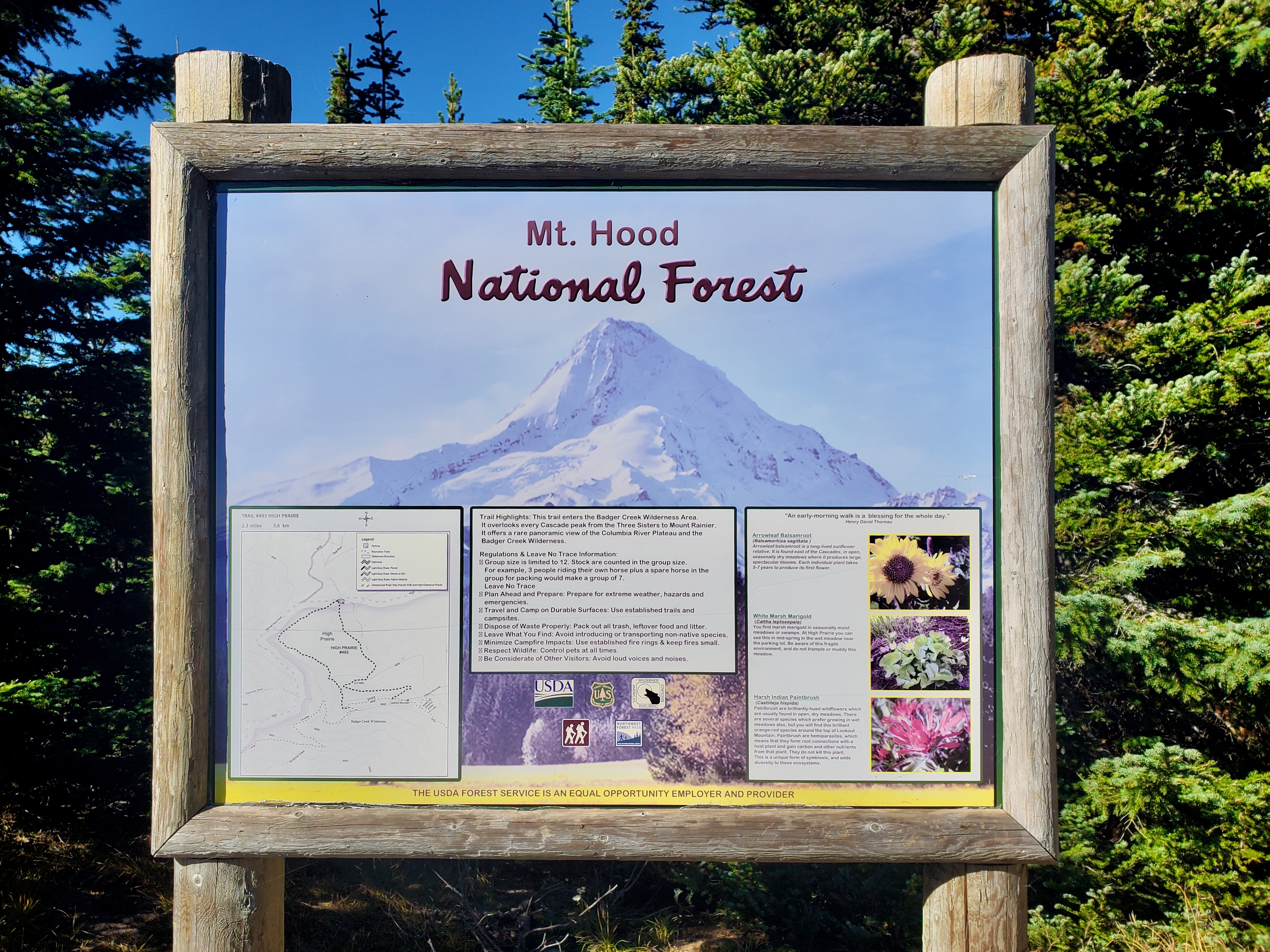
Banner and footer staff photos of the Mt. Hood National Forest by Tommy Hough.