
This article originally appeared in the spring 2026 issue of WaterWatch of Oregon’s Instream newsletter.
In December, the state designated the Harney Basin a Critical Groundwater Area with the adopted rules for cutting back groundwater pumping to stabilize groundwater levels by 2058. This marks a major step forward for Oregon groundwater policy, and the culmination of a long, multi-year, science-driven effort with over a decade’s worth of discussions in various forums. A huge debt of thanks is owed to everyone who submitted comments in support of sustainable groundwater management, drinking water, and groundwater dependent ecosystems throughout this lengthy process!
While the state designation marks a major milestone, additional procedural requirements mean enforcement of actual pumping reductions is still years away. During that time full pumping will be allowed to continue, which will likely result in a further decline of the aquifer. Under a voluntary agreement provision irrigators could begin to reduce the amount of groundwater pumped prior to cutbacks being enforced, but no voluntary agreements have been submitted thus far to the Oregon Water Resources Commission, the agency which holds the authority to approve voluntary agreements.
Representative Mark Owens, an alfalfa farmer from the Harney Basin, brought a bill during this year’s short legislative session designated HB 4049 that would have undercut the authority of the Oregon Water Resources Commission to ensure voluntary agreements result in the needed pumping cutbacks identified in the newly adopted Harney Basin rules. WaterWatch opposed this bill. Unfortunately, the bill triggered hours of closed-door backroom dealings between Rep. Owens, the Oregon Water Resources Department, and the governor’s office in an attempt to force the agency to revise its guidance regarding voluntary agreements. As reported in Rep. Owens’ newsletter, the goal of the discussions was “to see a revised [guidance] memo issued,” and “if that occurs, this legislation may not be necessary.”
Closed-door backroom deals should have no place in the development of agency policy that will have far-reaching consequences on a public resource: water. That only certain interests are included in the talks increases the risk of harm. Moreover, WaterWatch believes that legislative interference to undercut years of scientific agency work is misplaced. To the extent any backroom deal undercuts newly adopted Harney Basin rules, this will highlight the need for statutory reforms to ensure groundwater is managed for all Oregonians, not just irrigators.
Thank you again to everyone who submitted comments to help protect Harney Basin groundwater. HB 4049 ultimately died in the legislature, but stay tuned as we move on to the next milestone.
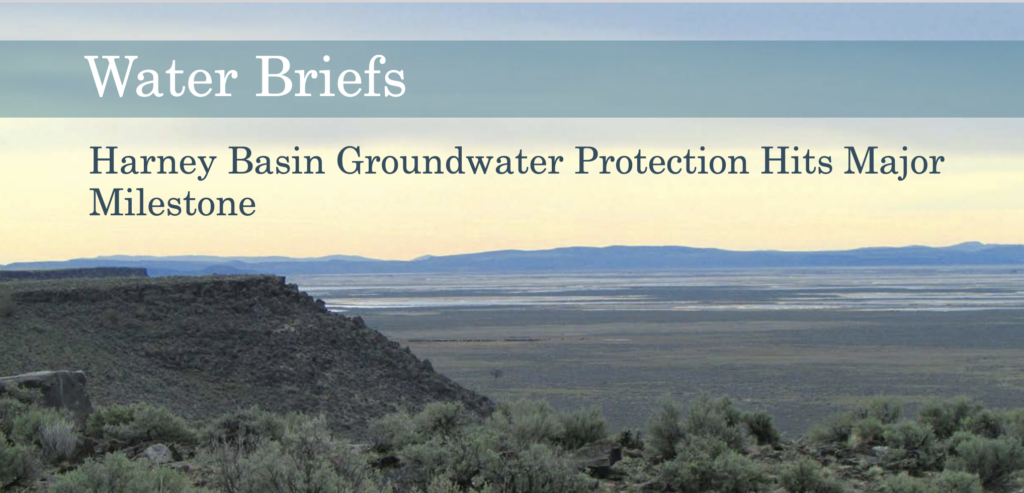
Banner photo by Lisa Brown.
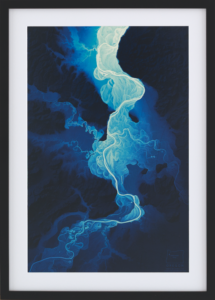 Get your edition of this framed Willamette River print, they won’t last long! Dan Coe prints are available by: