A Year of Unprecedented Drought Challenges
Even with summer behind us, over half of Oregon’s counties remain under a state-declared drought emergency. To that end, WaterWatch continues to update this resource-driven webpage for Oregon residents, water advocates, and media to turn to for the latest drought updates into the fall, forecasts, long-term impacts, agency links, and options Governor Kotek and the legislature can utilize to take action to preserve Oregon’s rivers, streams, fish, wildlife, and communities as this drought continues — and as we consider responses to the next one.
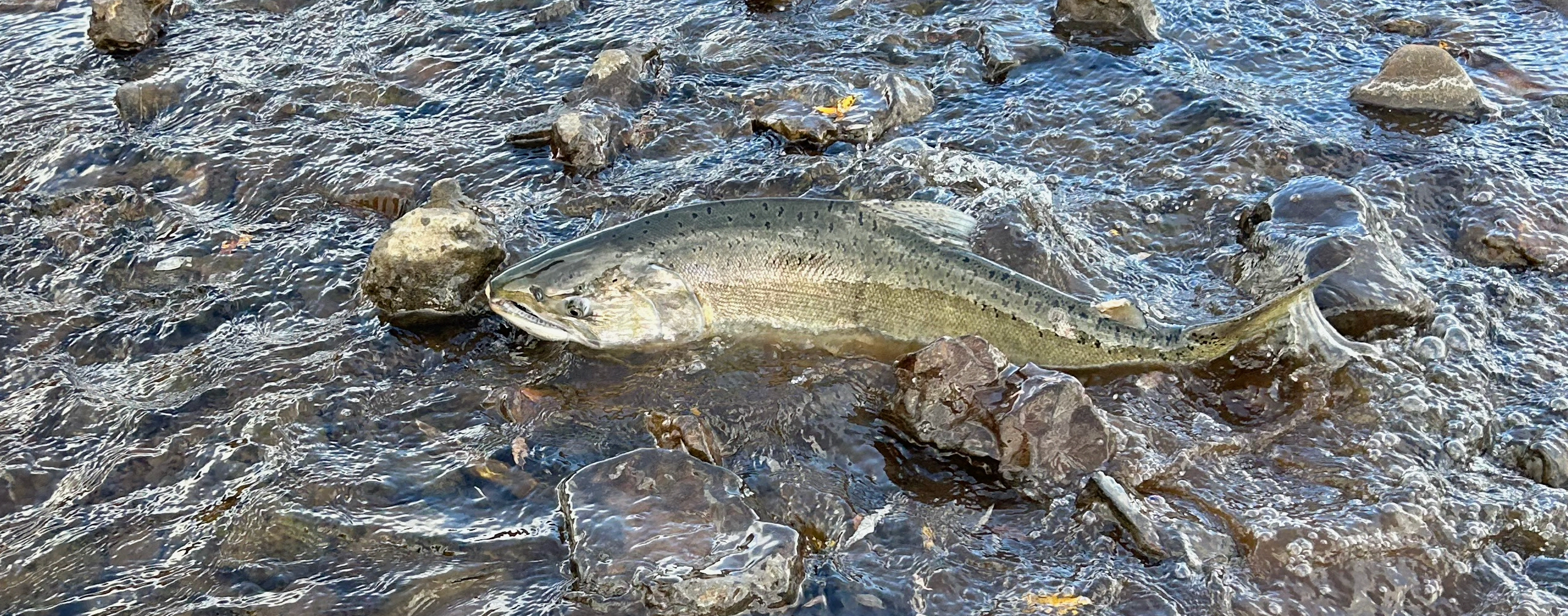
ODFW: Impact of Drought on Fish and Wildlife
Drought can lead to low water levels, warm water temperatures, and poor foraging. This ODFW article details how drought impacts fish, birds, mammals, and other wildlife.
Read it here.
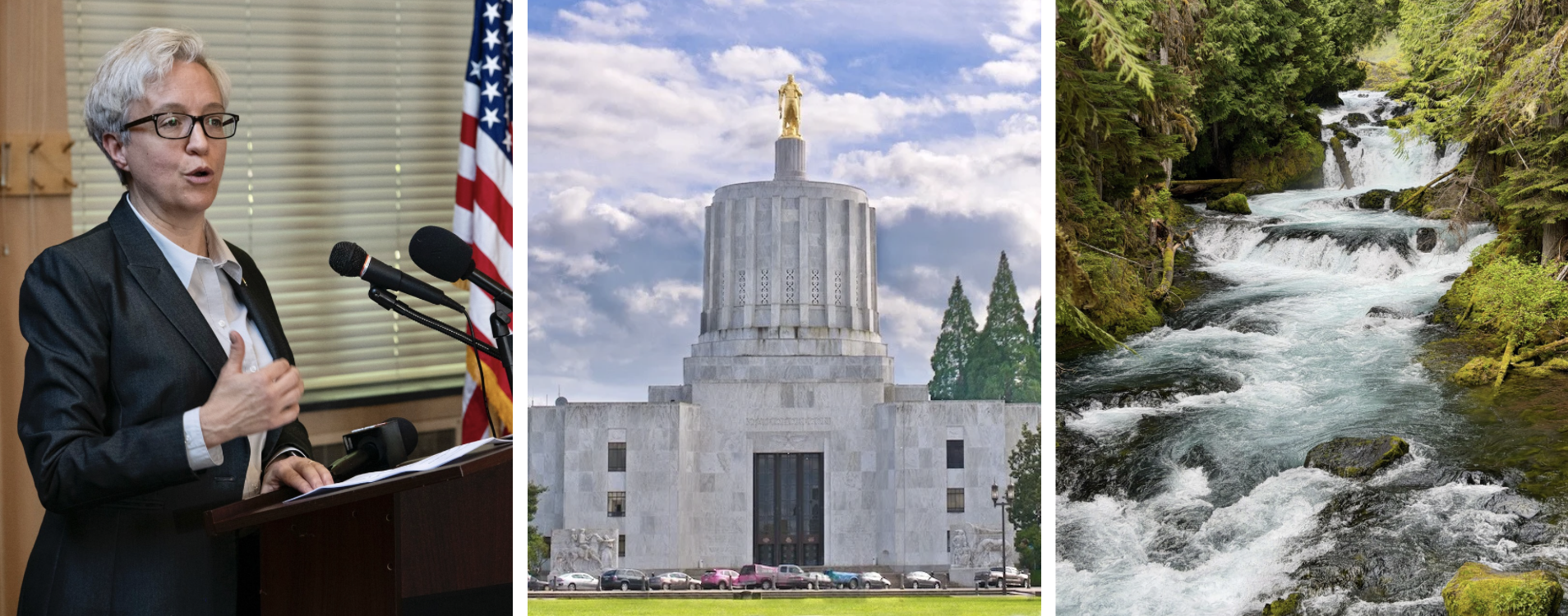
What Governor Kotek and the Legislature Can Do
Oregon law provides the governor with pathways for immediate action that can help protect Oregon’s rivers and aquatic ecosystems in the face of drought.
Details here.
Drought Status Map
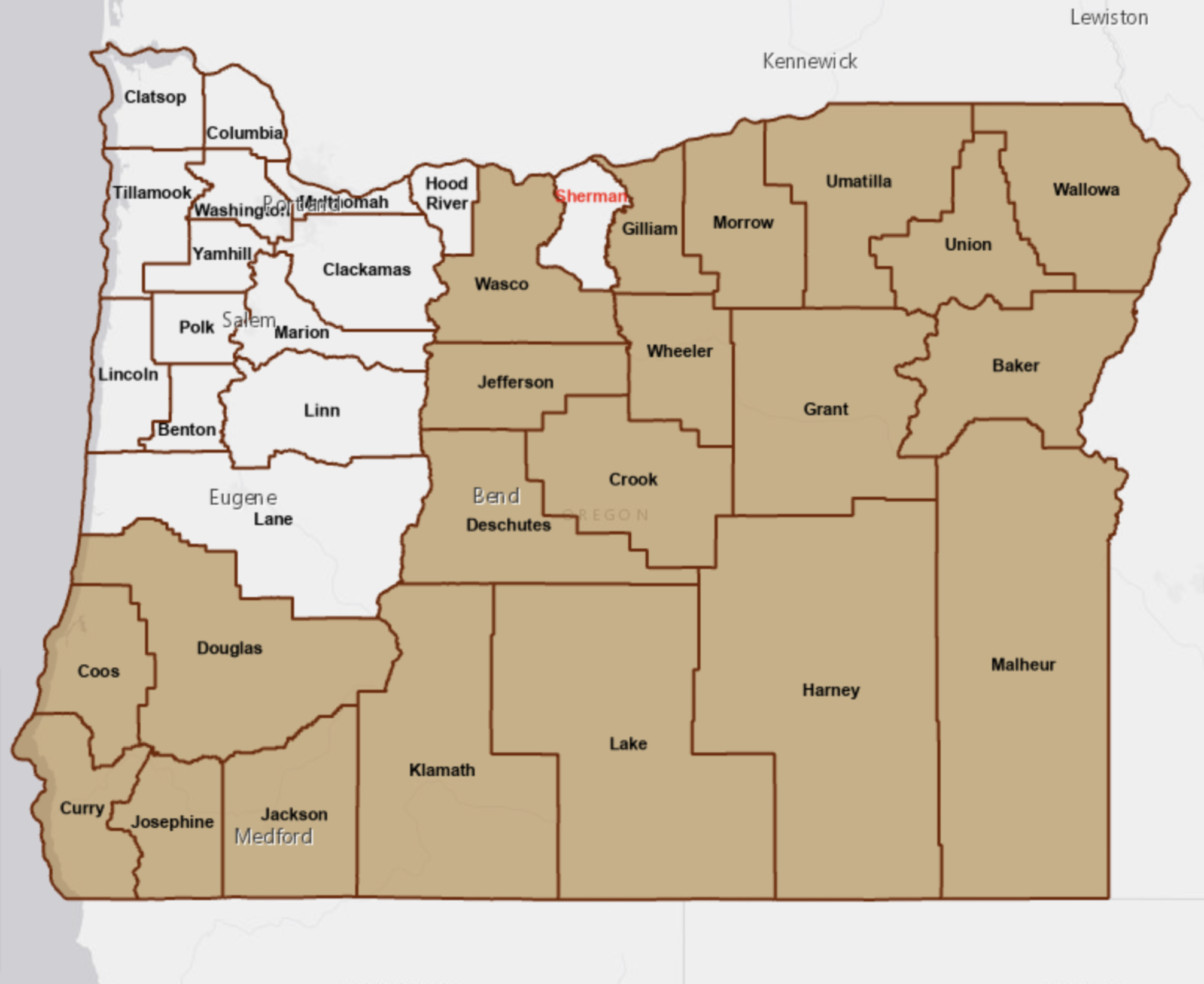
Quick-loading map of all Oregon counties under emergency drought declarations.
Seasonal Climate Forecast
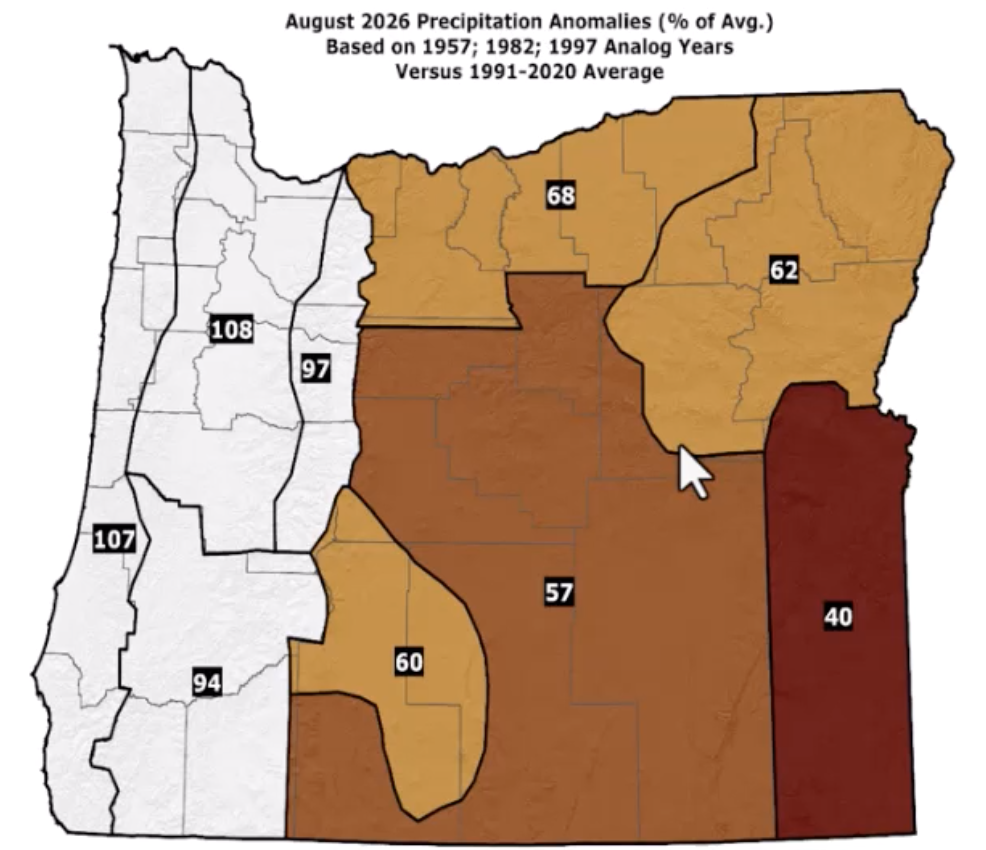
Three month state forecast from the of Oregon Department of Forestry.
Streamflow Monitoring
Track streamflow conditions via the USGS River DroughtCast website.
Oregon Snowpack Depth
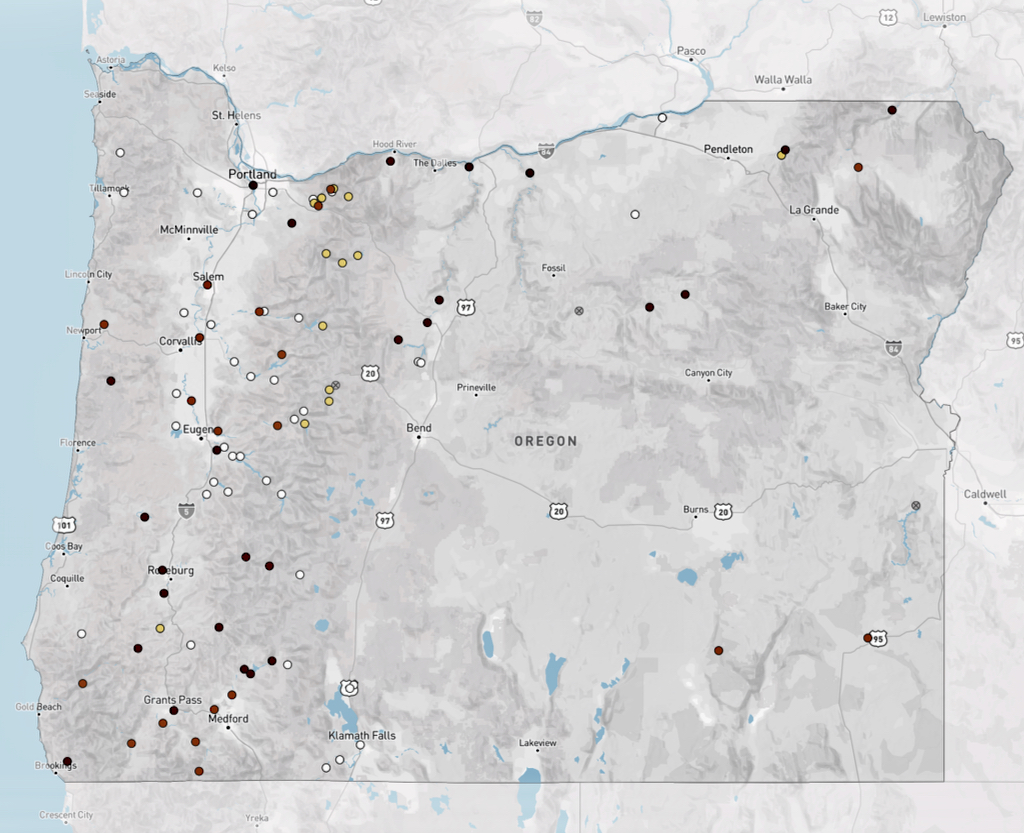
Oregon snow depths from dozens of reporting sites around the state.
Water Supply Outlook
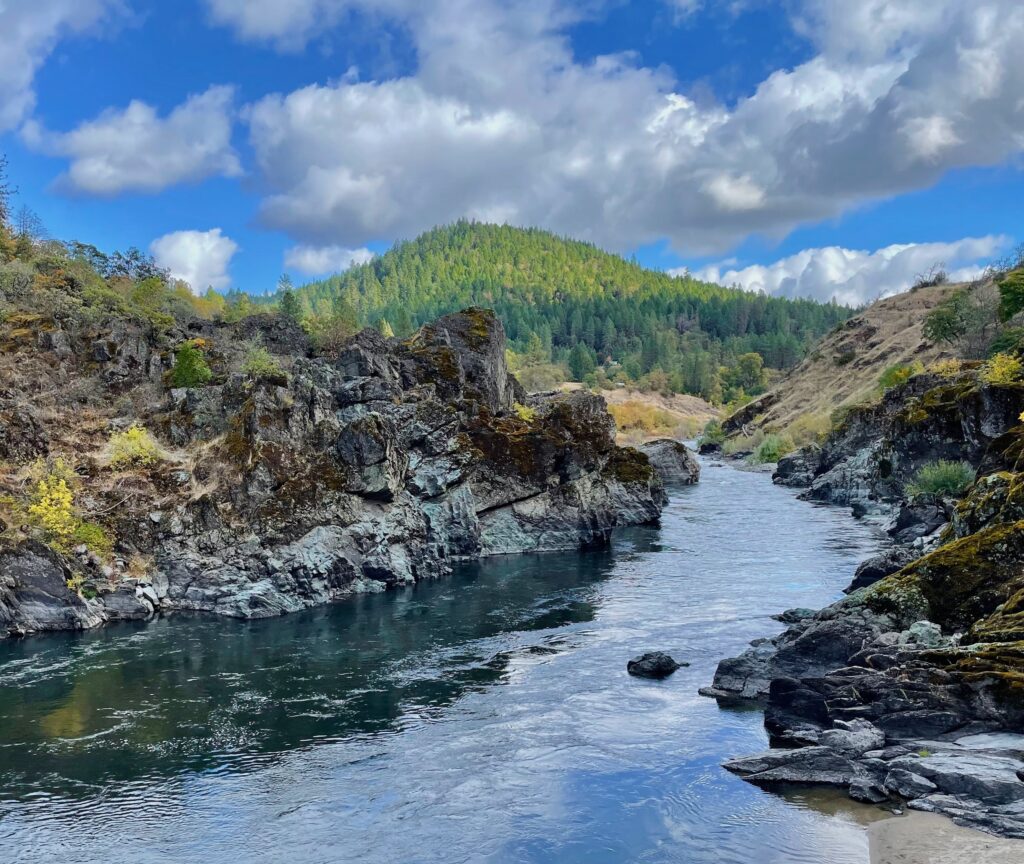
Oregon water supply forecasts and streamflow volume predictions.
Water and Climate Center
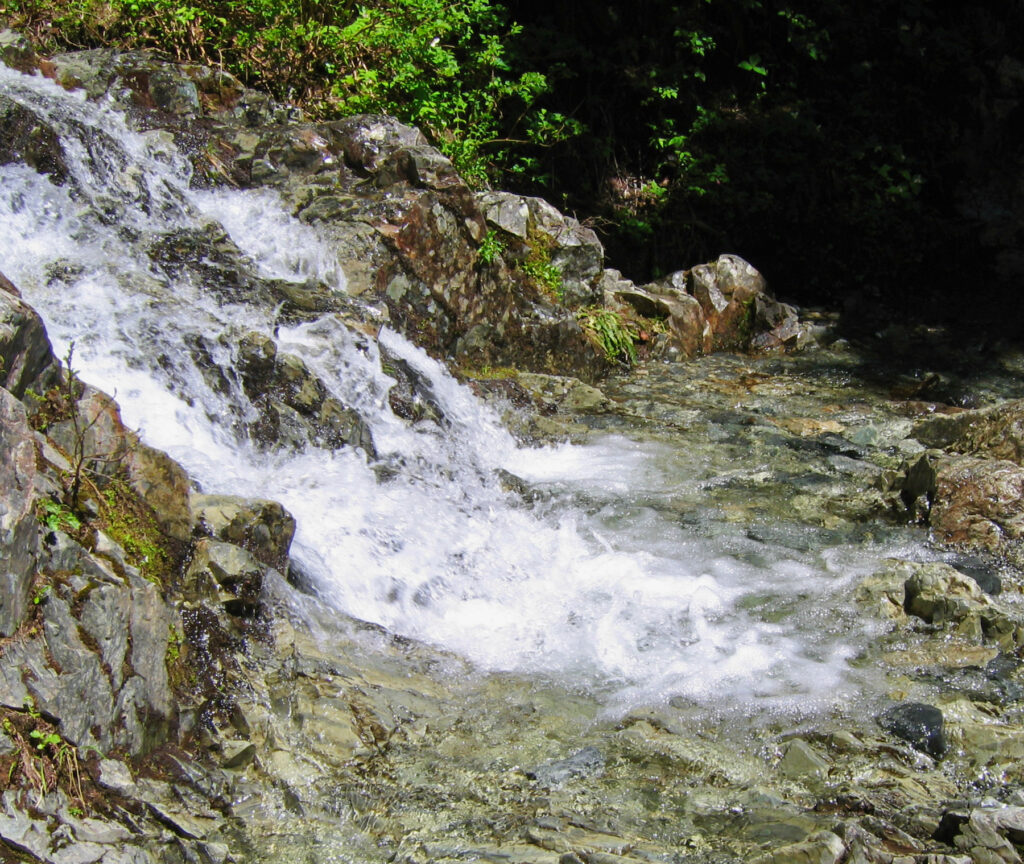
The National Water and Climate Center offers snowmelt-driven water supply forecasts.
Dry Well Complaint Form
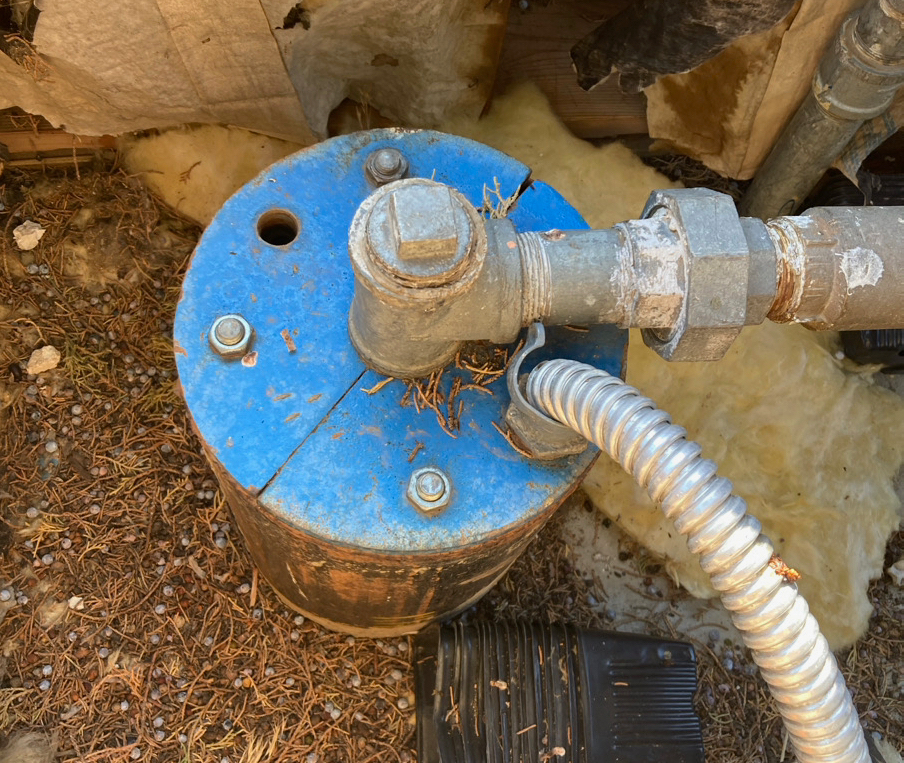
Report your dry well or significant reductions in well output to the state here.
Dry Well Interactive Map
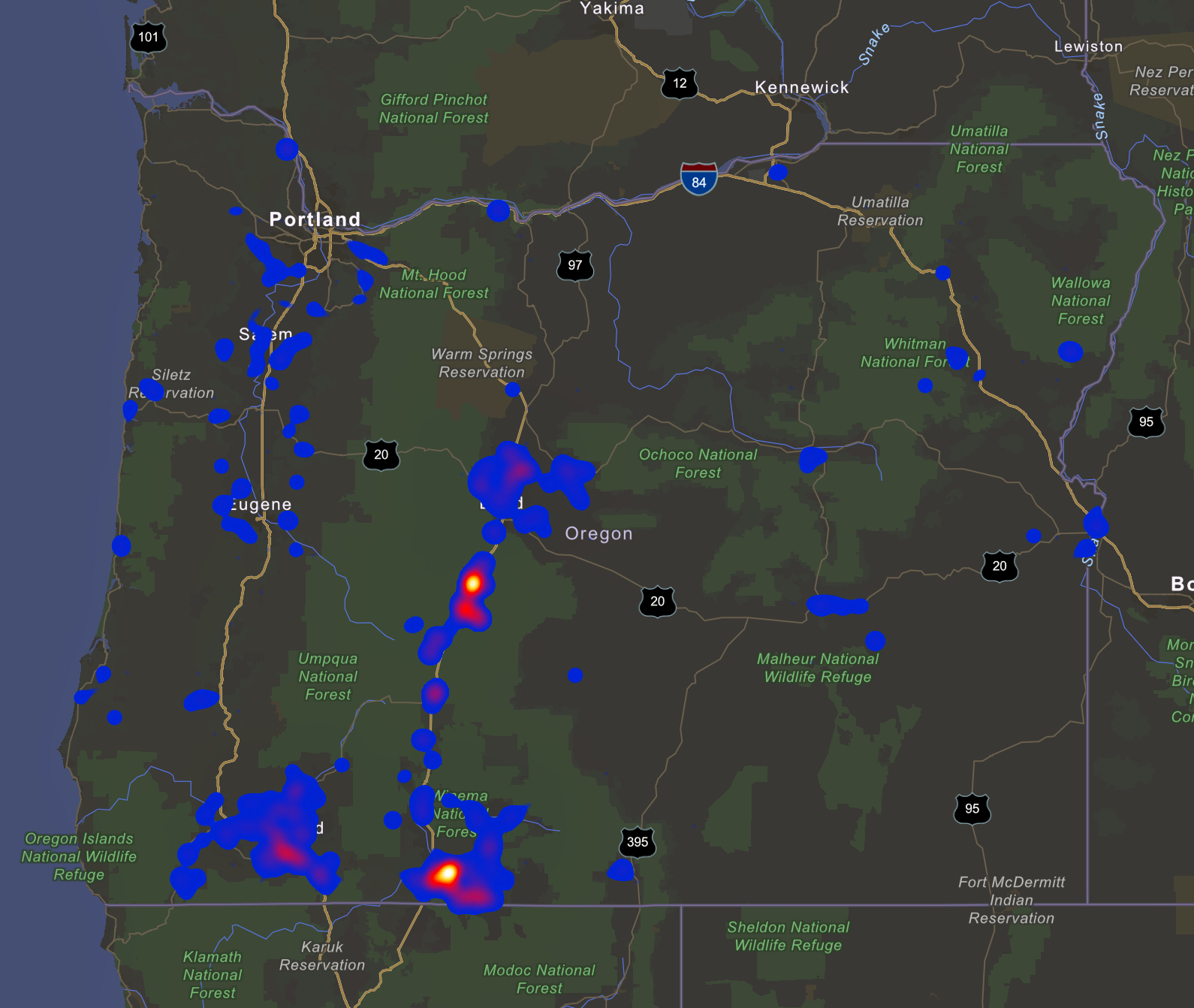
Visual expression of dry wells and overallocated groundwater around the state.
Oregon Well Repair Fund
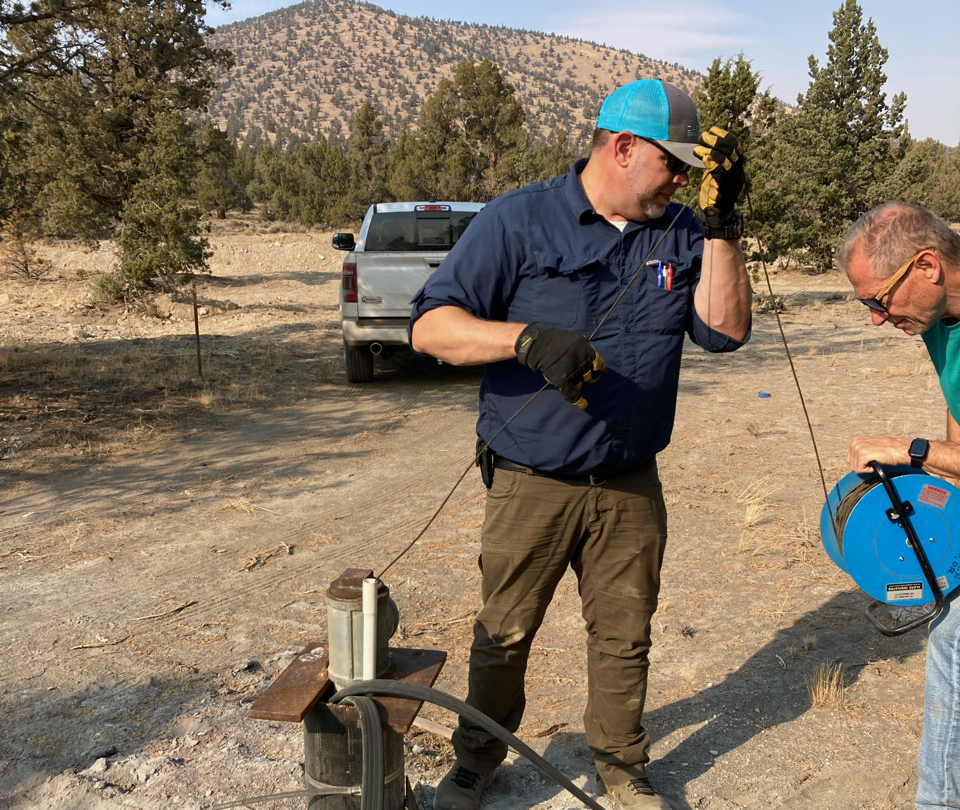
Get more information about state funding to repair, replace, or abandon water wells.
Latest Drought Declarations
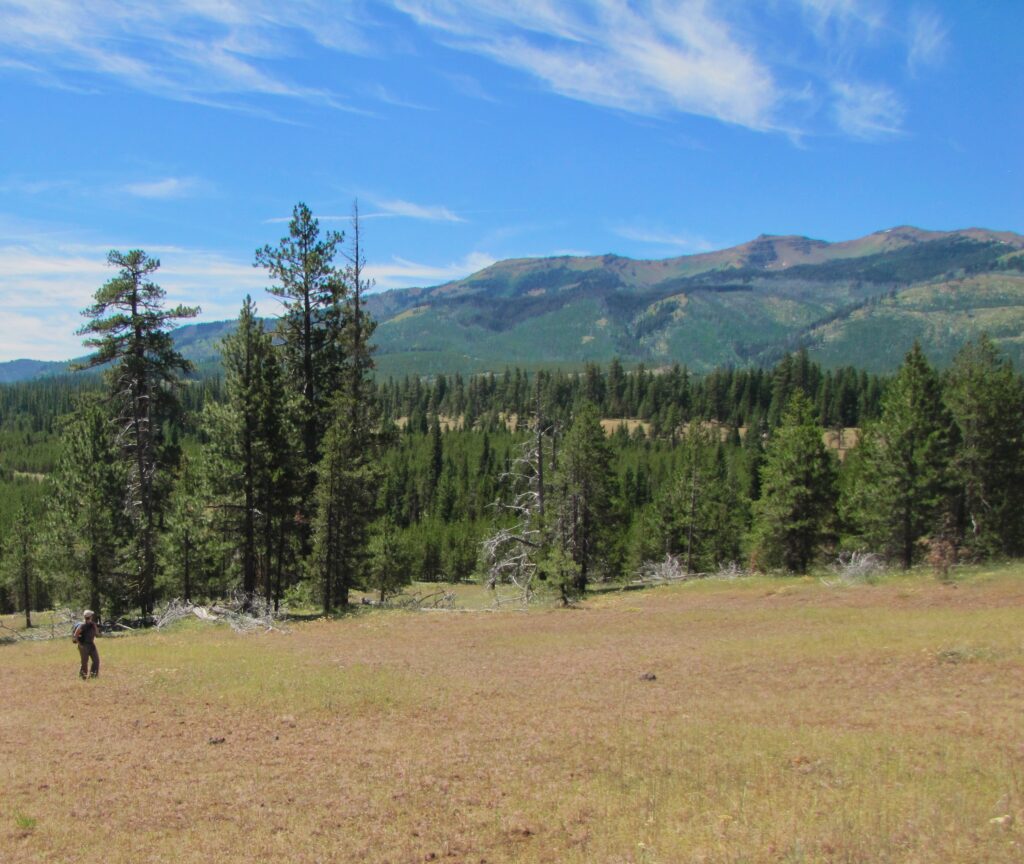
The latest drought declarations from Governor Kotek’s office and state agencies.
Updated Conditions
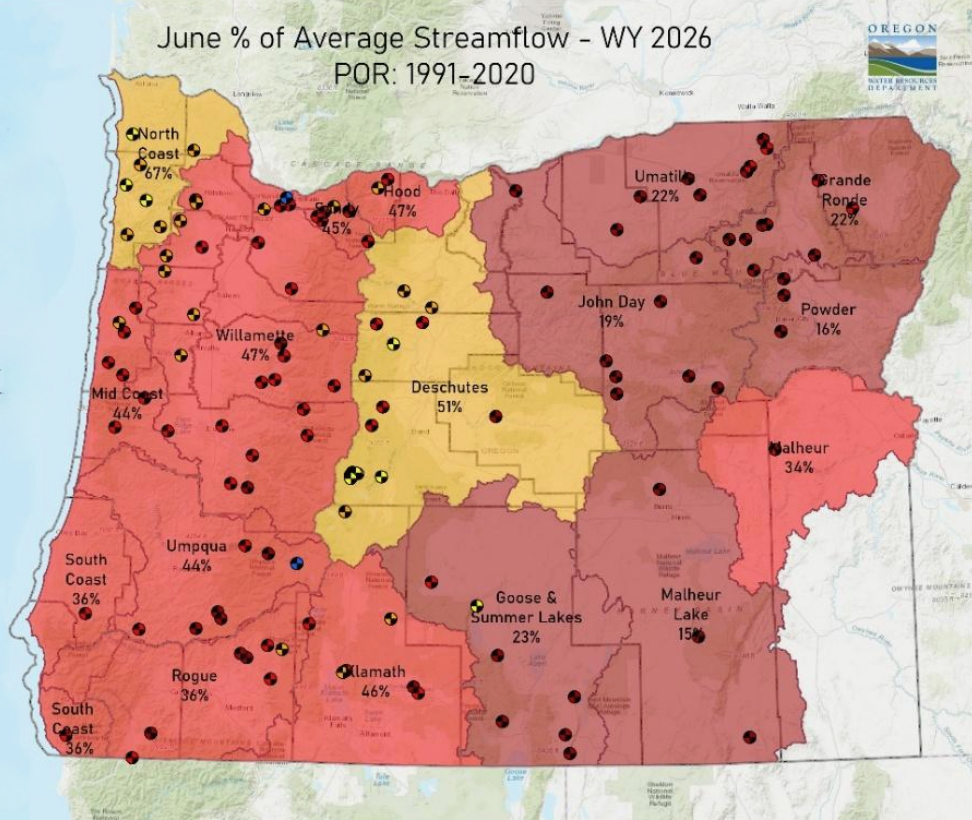
The latest biweekly drought report from the Oregon Water Resources Department.
Drought Monitor
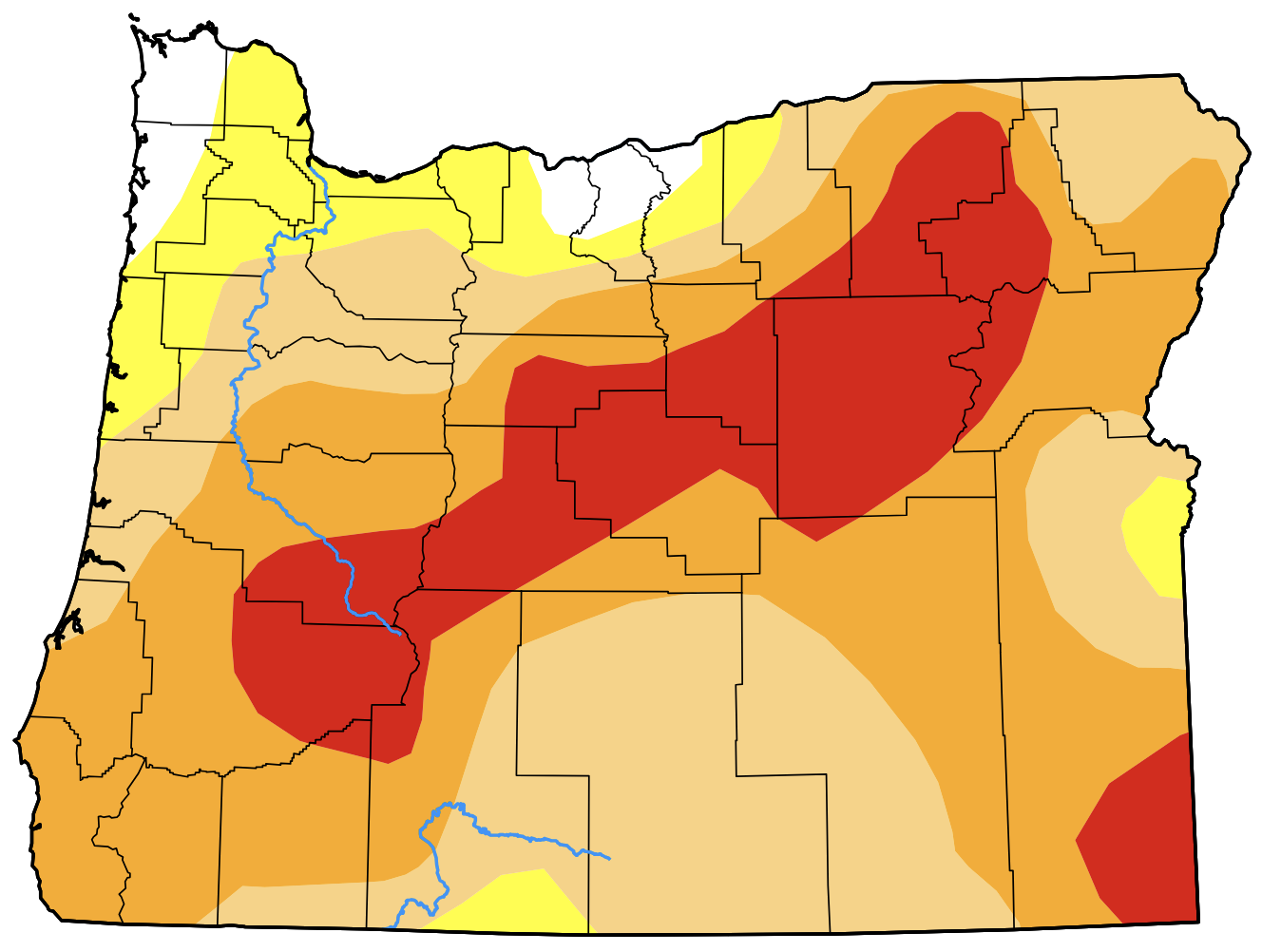
Details from the National Drought Mitgation Center, including NOAA and NASA.
Drought News and Media
State and local press on the 2026 drought. New stories being added.
Fish Kill Incidents
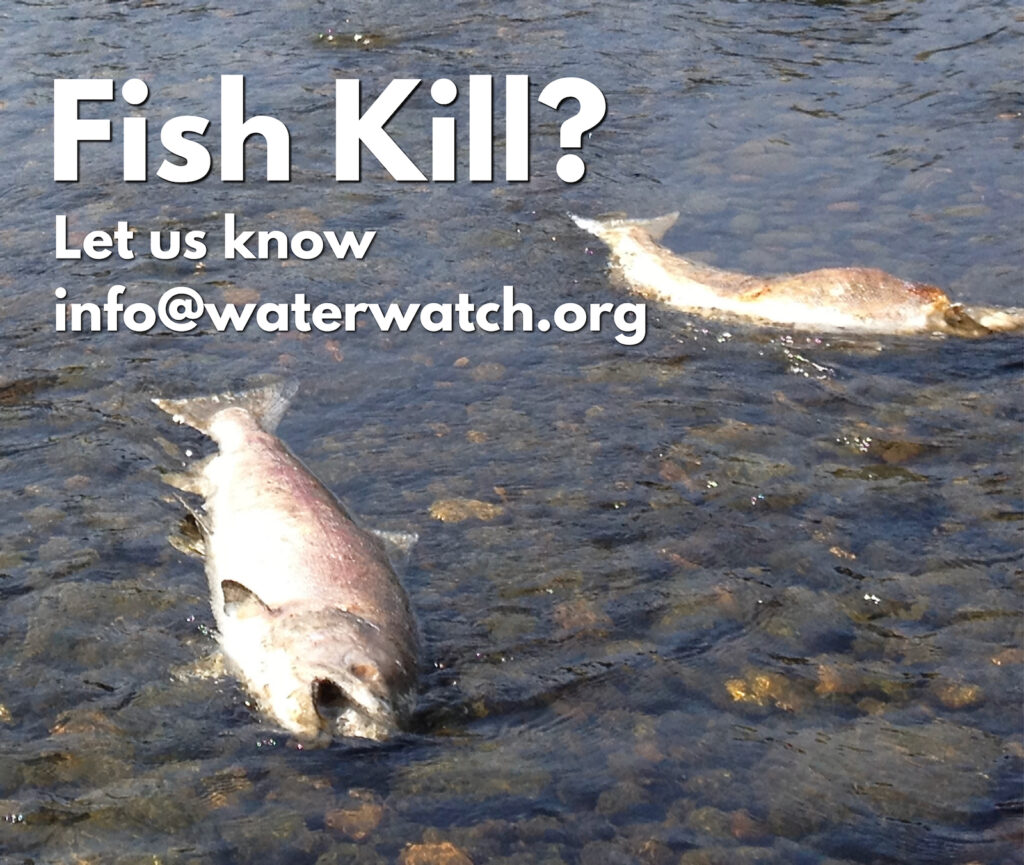
Let us know if you come across fish kills. Be sure to note the date, place, and time.
Using Water Wisely
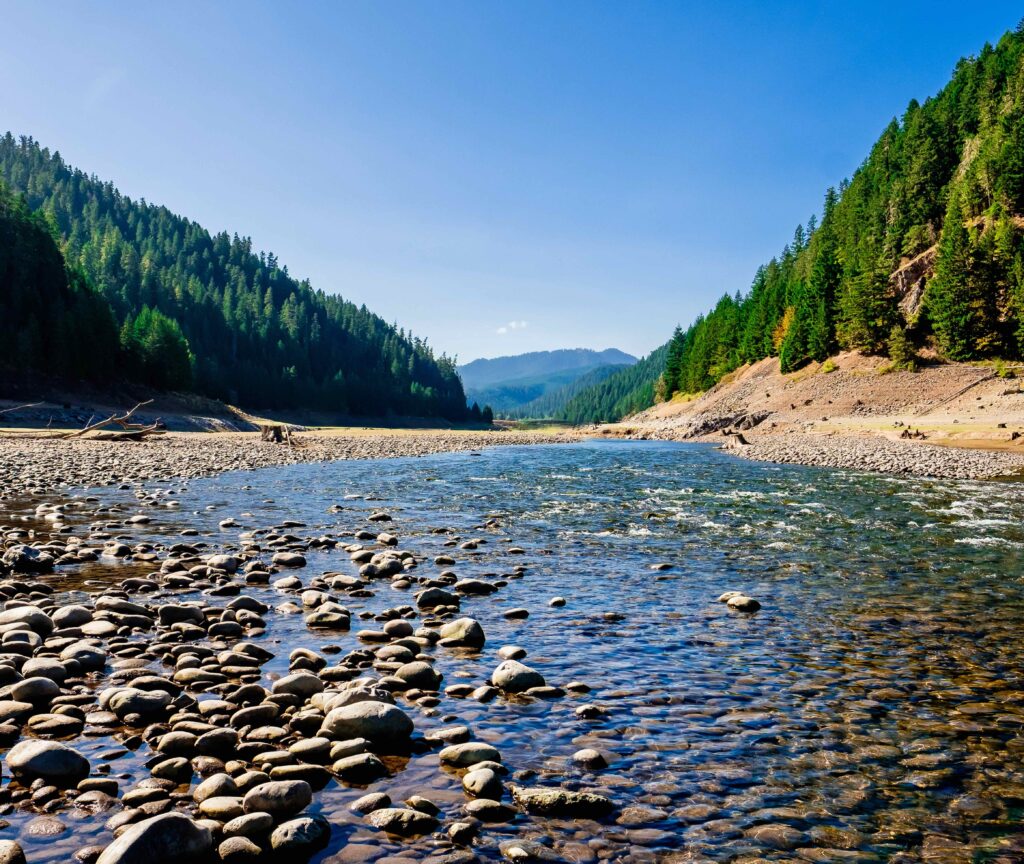
State resources on using water wisely and responsibly during drought.
Over a century of bad water management under archaic water laws left Oregon’s rivers high and dry in 2026. While WaterWatch is working in the legislature, courts, and other forums to correct this imbalance, the drought situation facing our rivers — while receding as we move further into autumn — remains dire.
Climate change is making historic water woes worse. Low snowpack, warming temperatures, radicalized weather patterns, and shifting hydrology are exacerbating long-standing challenges in Oregon’s over-tapped rivers. Climate change is also increasing incidents of drought, as we saw in the wake of this past winter’s record-low snowpack.
Low streamflows and warm water conditions already make it difficult, if not impossible, for cold water species like trout, salmon, and steelhead to survive the hot summer months. Without water in our rivers, streams, and wetlands, habitat, and food sources for birds, mammals, amphibians, reptiles, and insects become severely compromised and even more scarce. With the increasing likelihood of drought conditions across Oregon in the years ahead, protection of Oregon’s aquatic habitats is not only essential to our state’s fish and wildlife, but for the people, cultures, and river-related economies that depend upon healthy river ecosystems.
Salmon photo courtesy of Mark Hereford / ODFW; Governor Kotek photo courtesy of the Oregon National Guard; Oregon state capitol photo courtesy of Jim Choate; McKenzie River rapids, Snow Lake runoff, Wallowa-Whitman National Forest, and microphone photos by Tommy Hough; Oregon Badlands Wilderness photo courtesy of Greg Shine / BLM; Rogue River photo courtesy of Jesse Lance Robbins; Deschutes County well head and well maintenance photos courtesy of Mike Sargetakis / Crag Law Center; Clackamas River 2015 fish kill photo by Lisa Brown; low Middle Fork Willamette River photo licensed through Adobe stock images.
 Get your edition of this framed Willamette River print, they won’t last long! Dan Coe prints are available by: